Your MOT Sheet Isn't a Scare Tactic — Here's How to Read It Properly

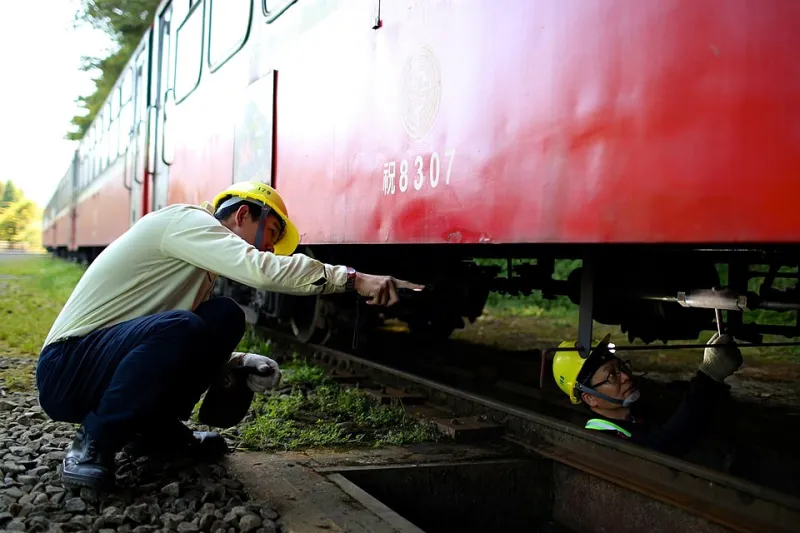
Photo: UK MOT certificate advisory sheet mechanic inspection garage, via upload.wikimedia.org
The four words that matter
An MOT certificate is a snapshot of a car at a moment in time. It is not a repair quote, a service history or a guarantee that nothing will go wrong next month. Since 2018, UK MOT results have used four categories: Dangerous, Major, Minor and Advisory. If you understand those four words, you can ignore most of the scare stories.
A Dangerous defect means the car should not be driven until it is fixed. Think brake pipes so corroded they could burst, a tyre with the cord exposed or steering components about to fail. A Major defect means the car has failed the test and needs repairing before it can be used normally. Brake pads below the limit, a broken suspension spring or emissions that are too high would fit here.
A Minor defect is a pass, but the tester has noted something that should be sorted soon. A slightly damaged wiper blade, a lamp that works but has a cracked lens or a small oil leak can be minor. An Advisory is also a pass, but it is a note to keep an eye on something. Slight play in a joint, surface corrosion starting on a brake pipe or a tyre getting close to the legal limit are classic examples. An advisory is not automatically a repair bill. It is a flagged item.
What the certificate cannot tell you
Two cars can have the same advisory and be in very different condition. One might have a brake pipe with a bit of surface rust that will clean up and protect. Another might have a pipe that is thinning from the inside. The certificate wording matters, but the car on the ramp matters more. Ask the garage to show you the item. A good mechanic will point at it, explain what they can see and tell you what they would do if it were their car.
Read the history, not just today's sheet
The GOV.UK MOT history service is one of the best free tools a used-car buyer has. Put the registration in and look at patterns, not just the latest result. Has the same advisory appeared three years running? Has the car failed on corrosion, been repaired and then failed on something similar? Are there gaps in the mileage that do not match the service records? A single advisory for a worn tyre is normal. A repeated advisory for corrosion in the same place is a story.
Which advisories need action now?
Use a simple pecking order. Anything Dangerous or Major needs fixing before you rely on the car. Anything safety-related, such as brakes, steering, tyres, suspension or structural corrosion, deserves urgent attention even if it is only an advisory. If the wording says corroded to the point of weakness, do not wait. If it says slight corrosion or surface corrosion, ask for a proper inspection and a plan.
Minor items can usually be scheduled. A worn wiper, a slight exhaust blow or a small oil weep is not a reason to panic, but it is a reason to budget. Advisories that are stable can be monitored, but monitoring means checking them monthly, not forgetting them until next year. If an advisory gets worse, it becomes a repair.
The upsell test
This is where a lot of drivers feel uneasy. You go in for an MOT, the car passes, and then the phone rings with a list of recommended work. Some of it will be genuine. Some of it may be a garage trying to make a quiet Tuesday busier.
Ask three questions. First: is this an MOT failure now, or is it an advisory? Second: can you show me the defect on the car or in a photo? Third: what happens if I do nothing for six months? A professional garage will answer all three without huffing. If the answer is vague, get a second opinion. You are not being awkward. You are being a sensible adult with a wallet.
Be wary of packages sold on fear. A car with a slight advisory for brake pipe corrosion may need cleaning and protecting, not a full set of new pipes. A tyre at 3mm is legal and usable, even if it is not ideal in heavy rain. A garage that explains the difference is worth keeping.
Local conditions matter
Hazel Grove cars live with salt, grit, potholes and a lot of stop-start driving on the A6. That mix is hard on brakes, suspension bushes, tyres and exhausts. A car that spends its life doing short school runs will wear differently from one that cruises up and down the motorway. When you read an advisory, think about how you use the car. A slight issue that would be fine on a low-mileage weekend car might need attention sooner on a daily driver.
A certificate is a tool, not a verdict
Do not let an MOT sheet scare you into unnecessary work, and do not let a clean pass convince you that a car needs nothing. Read the categories, look at the history, ask for evidence and get a written quote. If you want a second opinion, bring the certificate and the car to us. We will read it with you and tell you what we would do.