Frost, Grit and False Urgency: A Hazel Grove Driver's Winter Prep Guide
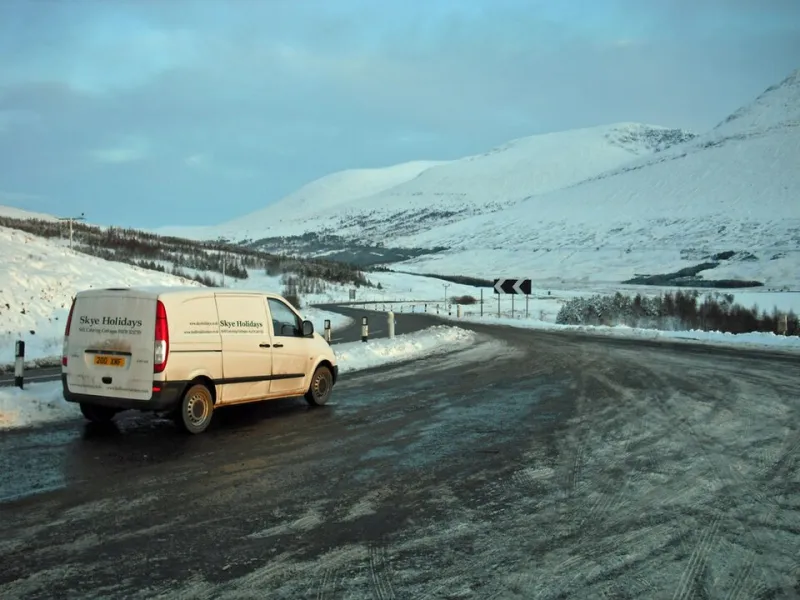
Photo: Richard Dorrell , CC BY-SA 2.0, via Wikimedia Commons
The first proper frost around Hazel Grove tends to arrive without much warning. One morning the car park off London Road is merely damp, the next the windscreen is opaque and the battery sounds like it is thinking about a career change. As we head deeper into the back end of 2026, a little preparation goes a long way. So does a bit of healthy scepticism when every garage, fast-fit centre and online retailer suddenly wants to sell you a winter survival package.
This is not a scare story. Most cars will cope with a Stockport winter perfectly well. The trick is knowing which checks actually matter, which ones you can do on a Sunday afternoon, and which ones are worth paying a garage to look at properly.
Start with the battery, not the boot sale
Cold weather is brutal on batteries. A battery that has been merely adequate through a mild autumn can fail on the first genuinely cold morning because the engine needs more cranking power while the battery has less to give. If your car is slow to turn over, sounds laboured, or has a stop-start system that has quietly given up, get the battery tested.
A basic multimeter reading tells you very little under load. A proper garage test is quick and usually inexpensive, and it will tell you whether the battery is healthy, tired or on its way out. Do not replace a battery simply because someone says winter is coming. Replace it because it has failed a test, because it is old and weak, or because it no longer holds charge. Also check the terminals for corrosion and make sure the battery is secure. A loose battery is an MOT issue and a nuisance.
Tyres: tread depth is only half the story
The legal minimum is 1.6mm, but that is a limit, not a target. For wet, leafy, gritted roads, 3mm is a more sensible marker for winter confidence. Look across the whole tread, not just the centre, and check for cuts, bulges and cracking on the sidewalls. Uneven wear can point to alignment or suspension problems that are cheaper to sort before they ruin a new pair of tyres.
Check pressures when the tyres are cold and use the figures in the door shut or handbook, not the maximum printed on the sidewall. Under-inflated tyres wear faster and feel vague in the wet. Over-inflated tyres reduce grip. If you need new tyres, ask whether a matching pair is enough. Fitting four when two are still perfectly serviceable is not automatically better; putting the best tyres on the rear is the usual advice for balanced handling.
Coolant, screenwash and the things people top up wrongly
Check the coolant level only when the engine is cold. Never open the cap on a hot engine. If it is low, top up with the correct ready-mixed coolant or the right dilution of concentrate. Do not use plain water as a long-term fix. A garage can test the coolant strength with a refractometer in seconds, which is far more useful than guessing. If the strength is fine and the level is correct, you do not need a coolant flush just because the leaves are falling.
Screenwash is the one top-up where winter concentration really matters. A weak mix can freeze on the screen or in the pipes, leaving you with no visibility and a stressed washer pump. Use a winter-ready concentration and keep a spare bottle in the boot. Do not pour hot water on a frozen windscreen. It is a fast route to a cracked screen and an expensive morning.
Lights, wipers and visibility
Walk around the car with the lights on and check everything: headlights, main beam, indicators, brake lights, reverse lights, fog lights and number plate lamps. Clean the lenses. Yellowed headlights cut down night-time visibility more than people realise. If a bulb has gone, replace it promptly; it is a legal requirement and a safety basic.
Wiper blades take a beating over winter. If they smear, chatter or leave streaks, replace them. Lift them away from the screen when frost is forecast if you can do so safely, and use a proper scraper and de-icer rather than a credit card or a cup of tea. Keep the washer jets clear and check that the heated rear screen and mirrors work.
The emergency kit that earns its space
You do not need to turn the boot into a survival bunker. A sensible winter kit for a Hazel Grove driver is modest: an ice scraper, de-icer, a microfibre cloth, a torch, a hi-vis vest, warm gloves and a blanket, a phone charging cable and power bank, jump leads or a jump pack, and a tyre inflator. A small first aid kit and some non-perishable snacks are useful if you get stuck on the A6 or a side road in the cold. Keep valuables out of sight and make sure the spare tyre, jack and locking wheel nut key are present and usable.
What to skip when the cold snap upsell starts
This is where honest local know-how matters. You do not automatically need an engine flush, a fuel additive, a premium winter service, a coolant flush, a brake fluid change or a new battery just because the temperature has dropped. These can all be legitimate items when the car needs them, but they should be based on condition, mileage, service schedule or a test result, not on the calendar alone.
Ask for the reason. If a garage cannot explain why a job is needed and what happens if you wait, get a second opinion. A good garage will happily show you a worn tyre, a weak battery test printout or a leaking component. A bad one will rely on urgency and jargon. You are allowed to say no and book it in later.
When to book the garage
Some checks are best left to someone with a ramp and the right kit: battery testing, coolant strength, brake condition, suspension noises, warning lights and any fluid leak. If your car is due a service or MOT soon, get it booked before the first cold snap rather than after. Hazel Grove drivers are not alone in leaving it late, and diary space disappears quickly when the frost arrives.
A well-prepared car is not about buying the most products. It is about knowing what your car actually needs, doing the simple checks yourself, and paying for proper diagnosis when it counts. That is the sensible winter approach around here.