Cheap Car, Dear Lesson: How to Spot the Real Cost Before You Pay
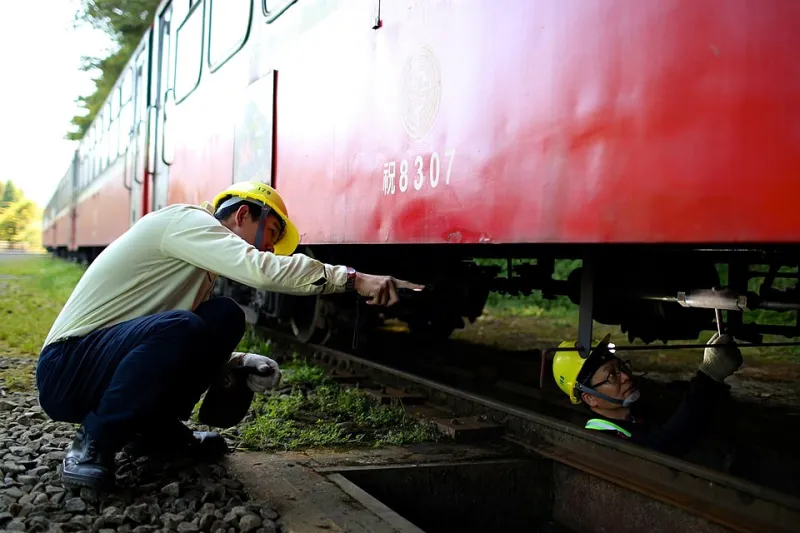
Photo: Unknown authorUnknown author, Attribution, via Wikimedia Commons
There is a particular kind of optimism that comes over a car buyer when they see a used car advertised at a temptingly low price. It is understandable. Motoring is expensive, and a bargain is a bargain. But at a local garage, we see the other side of that optimism when the same car turns up a few weeks later needing work that costs more than the buyer expected.
This is not a lecture about buying new or spending more than you can afford. Cheap used cars can be brilliant. The point is simpler: the sticker price is not the real price. The real price includes the work the car already needs, the work it will need soon, and the work that has been ignored for years. If you can see that clearly before you buy, you can make a genuinely good decision.
Why the cheapest car on the forecourt is often the most expensive to own
A cheap car usually has a reason for being cheap. Sometimes it is simply age, mileage or cosmetic wear. Sometimes it is a trade-in that the seller does not want to retail. Sometimes it is a car with an MOT due, a known fault, a noisy gearbox or a clutch that is living on borrowed time. None of those things make it a bad car automatically, but they do change the maths.
We have seen sub-two-thousand-pound hatchbacks that needed a clutch, brakes, tyres and a cambelt within the first few months. That is not unusual. We have also seen cheap diesels bought for short school runs around Hazel Grove and Bramhall, where the diesel particulate filter never gets hot enough to regenerate. The car was cheap because it was the wrong tool for the job. The repairs were not cheap at all.
What MOT advisories are really telling you
The MOT history is one of the most useful free tools a buyer has. An advisory is not a failure, but it is a note from an tester about something that was worn, minor or likely to need attention. One advisory for a slightly worn tyre is not a red flag. The same advisory appearing year after year, alongside corrosion, oil leaks or brake pipe notes, tells a different story.
Look for patterns. A car that has repeatedly been advised for corroded brake pipes, suspension wear or leaking components has probably had an owner who fixes only what is needed to pass. That is not necessarily dishonest, but it means the maintenance backlog may now be yours. Check the MOT history online before you travel to view a car. It takes five minutes and can save you a wasted afternoon.
What a pre-purchase inspection actually looks for
A proper inspection is not a quick kick of the tyres. It should include a diagnostic scan for stored and pending fault codes, a look at live data where relevant, a cold start, a road test and a physical check underneath. We want to see the condition of the brake lines, suspension, tyres, exhaust, steering, driveshafts and mounting points. We look for oil and coolant leaks, coolant condition, belt condition and evidence of poor servicing.
Service history matters, but receipts matter more. A stamped book is nice; a folder of invoices showing what was actually done and when is better. Ask specifically about the cambelt or wet belt, the water pump, the clutch, the brake discs and the last full service. On modern cars, a wet belt can be a significant expense if it has been neglected. On older cars, rust is often the deciding factor. A diagnostic scan can reveal issues that a test drive will not.
The questions to ask before cash changes hands
Ask more than you think you need to. When was the cambelt last changed, and is there a receipt? Has the clutch been replaced? When was the last service, and what was done? Are there any warning lights on the dash? Does everything work, including the air conditioning, heated seats and electric windows? Why are you selling? Is the V5 in your name and at this address? Is there any outstanding finance? Can the car be started from cold when I arrive? Can I arrange an inspection?
A genuine seller will not mind sensible questions. A seller who becomes defensive, rushes you or insists on a cash deposit before an inspection is giving you useful information. So is a car that has been warmed up before you arrive. You want to hear a cold start, not a carefully pre-warmed one.
The local buying trap: distance and urgency
Around Hazel Grove, Stockport, Cheadle, Poynton and the wider Cheshire fringe, it is easy to travel a few miles to see a car and feel obliged to buy it because you have made the effort. Do not confuse travel time with commitment. A pre-purchase inspection is usually a small fraction of the price of a major repair, and it gives you a bargaining position or a reason to walk away.
Be wary of trade sales that offer no warranty, and be clear about your rights when buying from a dealer. A cheap car from a dealer may still come with more protection than a private sale, but the condition still matters. No paperwork or warranty wording makes a worn clutch new again.
Do the total-cost sum
Before you agree a price, add up the purchase price, the immediate repairs you know about, the servicing it will need, tyres, MOT, tax and insurance. Then keep a contingency. A used car always has a surprise or two, and a 10 to 15 percent buffer is far less painful than a credit card bill for a repair you did not plan for.
A £2,500 car with a full history and recent brakes can be better value than a £2,000 car with none. The cheap car is not the one with the lowest sticker price. It is the one whose total cost over the next year or two is lowest, and whose condition you actually understand before you pay.