Don’t Guess the Battery: Eight Used-EV Checks Hazel Grove Buyers Should Insist On
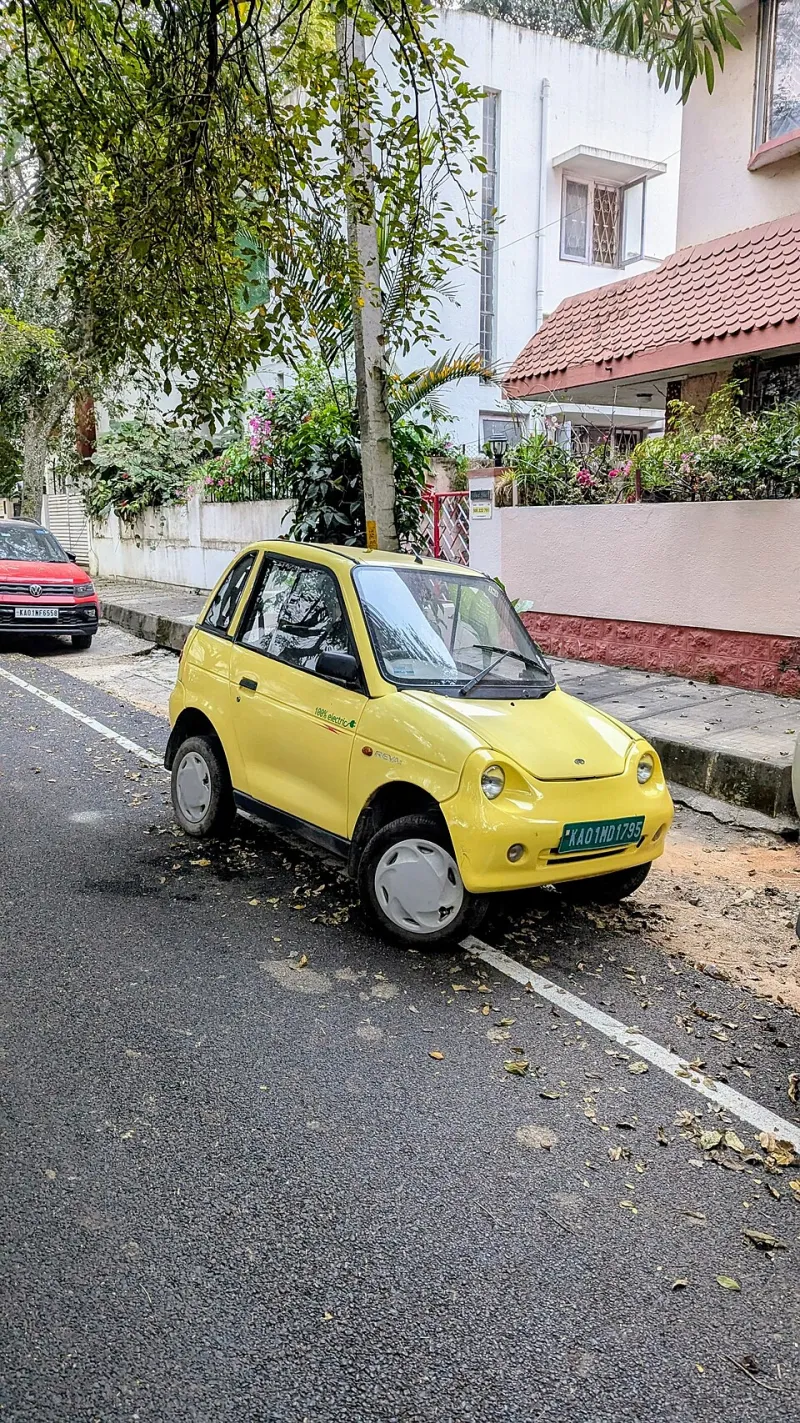
Photo: SerChevalerie, CC BY-SA 3.0, via Wikimedia Commons
In 2026, buying a used electric car is less about badge loyalty and more about one big number: the battery’s state of health. Everything else — the trim, the infotainment, the colour of the stitching — is secondary if the battery has been treated badly. It’s the most expensive component, the hardest to judge from a test drive, and the one sellers are most tempted to hand-wave.
The good news is that you don’t need to be an engineer to ask the right questions. You just need to be stubborn about getting answers. Think of this as a servicing check before you own the thing.
Why the dashboard range isn’t the whole story
A displayed range is a guess. It’s based on recent driving, temperature and how the car has been charged. A car showing 180 miles in summer might show 130 in a cold snap, and that doesn’t necessarily mean the battery is knackered. What matters is usable capacity, state of health and how the car has been treated over its life.
The eight-point check
-
Ask for an independent state-of-health report. Not just a dashboard percentage. You want the battery’s current usable capacity compared with its original capacity, ideally from an OBD read or a proper diagnostic report. A 2021 car at 85% is a different proposition from one at 95%. Ask how the figure was obtained and whether it’s recent.
-
Look at the charging history. Has it lived on a rapid charger or been mostly topped up at home? Frequent DC charging isn’t automatically a disaster, but repeated high-speed charging on a car without good thermal management can take a toll. Ask for app data or a dealer report showing AC versus DC usage. If the seller can’t provide anything, treat that as a missing service record.
-
Check the battery warranty and whether it transfers. Most manufacturers cover the battery for a set period or mileage, often with a state-of-health threshold — commonly around 70% to 75%. But the devil is in the transferability and the servicing conditions. Get it in writing. A warranty that vanishes when the car changes hands is worth less than you think.
-
Do a real-world range test. Start with a full charge if you can. Drive a mixed route — a bit of town, a stretch of dual carriageway, a hill or two — with the heater or air conditioning on. Note the temperature and the miles per kWh. Compare that with what the car claims. A car that falls far short in mild weather is telling you something.
-
Ask about cold-weather behaviour. Hazel Grove mornings can be grim, and hills don’t help. Ask the seller what winter range was like, whether the car has a heat pump, and whether they used pre-conditioning. A car with a heat pump will usually cope better with cold mornings. Heated seats and a heated steering wheel are not just luxuries; they’re range-saving devices.
-
Check software updates and recalls. Battery management software can change range, charging speed and behaviour. Ask whether the car has had its latest updates and whether any recalls are outstanding. A main dealer can check this from the registration. Don’t rely on a seller saying it’s all up to date.
-
Confirm charging compatibility and your local habits. Check the car’s onboard charger rating, the cables included and whether it can rapid-charge on CCS. Then be honest about your own setup. Can you charge at home? Do you have a driveway? If you’re in a terraced street relying on public chargers, factor that into the ownership experience, not just the purchase price.
-
Get a physical and diagnostic inspection. Look under the car for battery pack damage, coolant leaks or signs of a shunt. Ask for a diagnostic scan for stored error codes. If the car is older or high-mileage, an independent EV specialist inspection is money well spent. A cheap car with a damaged battery pack is not a cheap car.
Red flags that should make you walk
No state-of-health report and a seller who says the battery is fine. A warranty that isn’t transferable. A recent battery software reset with no explanation. A car that has been an insurance write-off with battery damage. A range that is miles below what the age and model suggest. A seller who gets defensive when you ask for data. Any of these should make you slow down — and probably walk away.
The local reality check
A used EV can be a brilliant car around Hazel Grove and Stockport. Short trips, home charging and cheap running costs suit a lot of drivers. But the hills, the cold mornings and the commute into Manchester all affect range, and the battery is the one part you can’t easily upgrade later. Buy the battery, not the badge. Get the paperwork, do the test, and don’t let a shiny valet distract you from the numbers that actually matter.