Under the Arches, Past the Shine: A November Underside Check for Used Cars
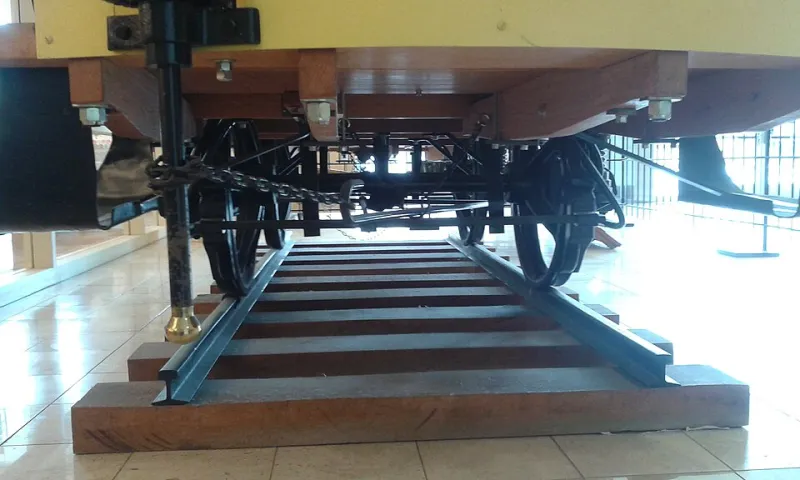
Photo: Xnatedawgx, CC BY-SA 4.0, via Wikimedia Commons
November in Hazel Grove has a particular feel. The A6 gets busy earlier, the pavements shine after rain, and sooner or later you hear the gritter going about its business. That’s the moment a used car’s underside stops being a background detail and starts being part of the buying decision.
A fresh MOT and a clean interior can make a car feel ready for anything. But road salt, standing water and the kind of damp that lingers under wheel arches do their work quietly. If you’re viewing a used car this month, the underside deserves at least as much attention as the paintwork.
Why the underside matters more around here
Hazel Grove sits in a part of Stockport where the weather does a decent impression of a drizzle machine, and the council’s winter gritting routes are a fact of life. Salt lowers the freezing point of water, which is helpful on a cold morning and less helpful when it sits on steel. Add in the debris that collects behind liners and in sill seams, and you’ve got a recipe for corrosion that starts small and gets expensive.
That doesn’t mean every used car in the area is quietly dissolving. Plenty are solid. The point is that the underside is where a careful seller and a hasty seller can look surprisingly similar from six feet away. You need to get lower, or better still, get the car on a ramp.
Start with what you can see at kerbside
You don’t need a workshop to do a useful first pass. Bring a torch — your phone light will do in a pinch — and a mat or an old coat you don’t mind kneeling on.
Look along the sill seams, the joint where the side of the car meets the floor. Run your fingers along the inside edge if you can reach it. It should feel like painted metal, not a rough scab or a soft sponge. Check the wheel arches, particularly behind the plastic liners where mud and salt collect. Look for bubbling paint, orange staining or fresh black underseal that looks suspiciously tidy compared with the rest of the car.
Peer under the rear bumper at the brake pipes and fuel lines. They shouldn’t look furry with rust or wet with fluid. Check the subframe and suspension arms for heavy flaking. And look at the jacking points — if they’re crushed, bent or crumbling, that tells you something about how the car has been treated.
This kerbside check won’t catch everything. It’s there to tell you whether the car is worth a proper look.
Ask for the ramp, and mean it
A used car dealer who is confident in the stock should have no problem putting a car on a ramp for a pre-purchase inspection. If the answer is a vague shrug and a promise that “it sailed through the MOT”, that’s not a red flag on its own, but it’s not a green one either.
On a ramp, you want to see the full length of the brake lines, the fuel lines, the subframes, the suspension mounts and the sill seams with the weight off the wheels. You want to see whether the underseal is original and even, or whether someone has slapped it on thickly to cover something. Fresh black goo around a seam can be legitimate protection. Fresh black goo around a seam with a rough, flaky edge underneath it is a question worth asking.
Ask the person with the torch to point things out rather than just telling you it’s fine. A good inspection is a conversation, not a magic trick.
The clues that justify walking away
There’s a difference between a car with honest age-related surface rust and one with structural trouble. Surface bloom on a subframe is one thing. Flaking, scaly metal on brake lines is another — those lines are cheap enough to replace, but if they’ve been neglected, it makes you wonder what else has.
Walk away if you see holes in the sills or floor, soft seams that crumble when prodded, or corrosion close to suspension mounting points. Walk away if the underside has been freshly painted over obvious crusting, or if the seller won’t let you see it properly. And walk away if the MOT history mentions corrosion advisories that have been ignored year after year. An advisory isn’t a failure, but a repeat advisory is a pattern.
None of this is about being dramatic. It’s about not discovering the problem after the first hard frost, when you’re the one paying for the welding.
After you buy: a small winter habit
If the car passes inspection and comes home with you, a little underside care goes a long way. Wash the arches and sills after spells of gritting, but avoid blasting high-pressure water at electrical connectors or brake components. A proper wax-based underside protection applied by a garage can help, provided the metal underneath is clean and sound. Protection over rust is just a disguise.
Before the worst of the weather arrives, check your brake lines and fuel lines visually, keep the arches clear of packed mud, and don’t ignore a new rattle or a soft brake pedal. Small checks in November are cheaper than big repairs in February.
Hazel Grove buyers have plenty to think about without becoming amateur corrosion specialists. But a torch, a ramp and a few pointed questions are a reasonable ask. A clean cabin is a nice start. The underside is where the car tells you the rest.