Rubber, Receipts and Risk: The Used-Car Cambelt Check That Pays for Itself
Photo: Evelyn Simak, CC BY-SA 2.0, via Wikimedia Commons
Cambelts have a reputation problem, and it is earned. They are reasonably cheap to replace when you plan ahead and painfully expensive when you ignore them. On a used car, the real question is not simply whether it has a belt. It is when that belt was last changed, and whether anyone can prove it. That is the maybe that can turn into a four-figure invoice.
A service item hiding in plain sight
Most used-car checks focus on what you can see, touch or hear. Tyres, brakes, paint, warning lights, the way the gearbox behaves on a test drive. A cambelt sits behind covers, and a timing chain lives inside the engine. Because you cannot kick it or photograph it easily, it often gets skipped.
But this is a scheduled service item, not a mysterious extra. It has an interval, usually expressed in miles or years, whichever comes first. Treat it like a clutch or a cambelt kit on any other car: a wear-and-service part with a diary. The difference is the consequence of missing the diary.
Belt or chain? Both can bite
There is a stubborn myth that a timing chain means you can forget about it. Chains generally last longer, but they are not immortal. They can stretch, tensioners can fail, guides can wear, and a cold-start rattle is worth taking seriously. A chain replacement can be every bit as costly as a belt job, sometimes more.
Belts are more obviously consumable. Rubber ages even when the car is barely used, and some modern engines use a wet belt running in oil. Those need the correct oil and a strict servicing routine, not just a vague memory of an oil change. Whether it is belt or chain, the used-car question is the same: what does the manufacturer schedule say, and what evidence comes with the car?
Age matters even when the mileage doesn’t
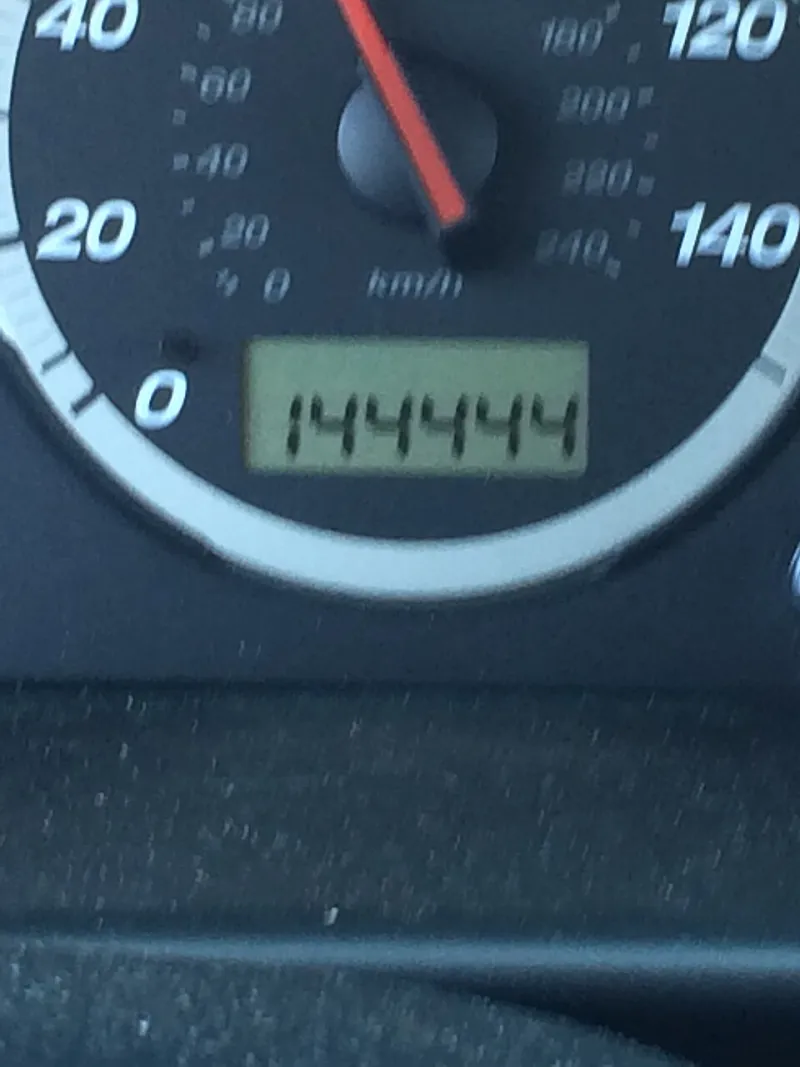
A low-mileage car can still be a cambelt risk. Rubber does not care that the car has only done short trips to the shops. If the interval says a certain number of years, a ten-year-old belt on a 30,000-mile engine is still a ten-year-old belt. That is the trap for buyers who fixate on a tidy odometer.
Equally, a higher-mileage motorway car may have a thick folder showing the belt was done on time. Paperwork can beat mileage here. Do not assume low mileage means low risk, and do not assume high mileage means certain doom. Assume nothing until you have seen the schedule and the receipts.
What a useful receipt actually proves
A good cambelt invoice should show the date, the mileage at the time, the registration or VIN, and an itemised list of parts. That usually means a belt kit and tensioner, and sometimes a water pump if it is driven by the same belt. It should name the garage, show labour and carry a VAT number where appropriate.
A scribbled “cambelt done” on a scrap of paper is a start, not proof. A stamp in the service book helps. A receipt that matches the car and the engine is better. If the seller says a mate did it on the driveway, ask for the parts invoice. If there is nothing, treat the belt as not done and price the car accordingly.
A missing receipt is not proof of failure — but it is proof of uncertainty
This is the sensible middle ground. No paperwork does not mean the belt is about to snap tomorrow. It means you cannot verify the most expensive maybe on the car. On a vehicle with the interval due or overdue, the safe assumption is that the work needs doing.
Do not let anyone tell you it “looks fine” through a tiny inspection hole. Belts are not reliably judged by eye, and chains are not judged by wishful thinking. On a chain engine, a cold-start rattle, rough running or a rattle under light load is a reason to investigate, not a diagnosis you can make from a video.
Interference engines turn a maybe into real money
Many modern engines are interference designs. In simple terms, the valves and pistons occupy space that depends on the timing being correct. If a belt snaps or a chain jumps, they can meet. That is how a routine service item becomes a cylinder head rebuild, bent valves and a bill that makes the original car look cheap.
You do not need to memorise engine codes to buy sensibly. You do need to respect the interval. If the schedule says the belt is due, it is due. If the seller cannot show it has been done, your offer should reflect that reality.
How to negotiate without guesswork
Get a written quote from a trusted local garage before you settle on a price. Use that quote as a bargaining tool, not a weapon. If the car is otherwise good and the belt is due, ask the dealer to replace it before collection and put it on the invoice. If you are buying privately, adjust your offer to cover the work.
If the receipt shows a recent cambelt change, do not demand a discount for it again. Check that the invoice matches the car, the date makes sense and the parts listed suit the engine. A good seller will be relaxed about this. A seller who gets prickly about a simple paperwork request is telling you something.
When walking away is the cheaper move
Walk away if the interval is overdue, there is no credible proof and the seller will not adjust the price. Walk away if the only evidence is a vague verbal promise. Walk away if a chain engine rattles from cold and the seller shrugs. Walk away if a wet-belt car has patchy servicing and no invoices. There are plenty of used cars around Hazel Grove, Stockport and the surrounding towns. You do not have to buy the one with the mystery belt.
A cambelt check is not glamorous. It will never sell a car on looks. But it is one of the most practical conversations you can have before handing over money. At Hazel Grove Motors, we would rather show you an invoice than talk around one. That is the boring version of trust, and it is usually the version that saves you four figures.