Forecourt Floodlights and Bad Ideas: Why November Car Viewings Need Daylight
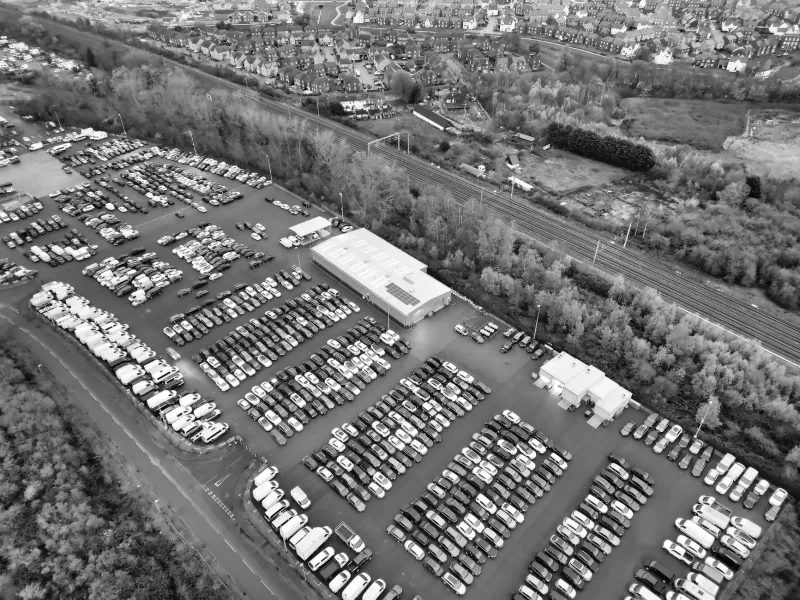
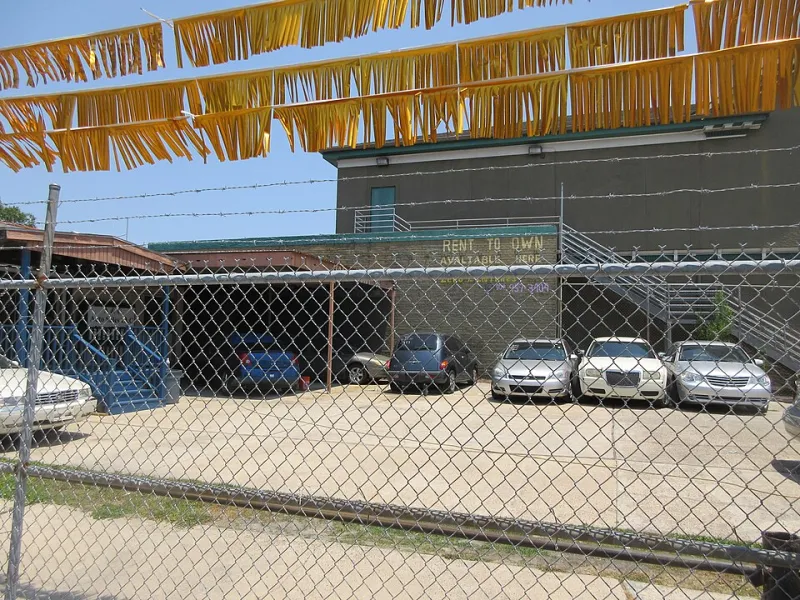
There’s a moment in early November when the sky over Hazel Grove goes from grey to properly dark in what feels like ten minutes. The school run is still finishing, the A6 is filling up, and every used-car forecourt from here towards Stockport suddenly switches on its lights. It can look quite inviting. Warm floodlights, polished paint, a row of cars waiting under the glow. It can also be the worst possible conditions for deciding whether one of those cars is any good.
This isn’t a conspiracy theory about dealers. Most forecourts are lit because customers browse after work, and because a dark car lot looks closed. But forecourt lighting has a job: it makes cars look appealing. Your job, as a buyer, is to see what’s actually there. Those two aims don’t always line up.
What the lights are doing to your judgement
Forecourt lamps — especially the bright white LED ones — are brilliant at flattering paintwork. They create strong highlights and deep shadows, which can make a ten-year-old hatchback look sharper than it did when it left the factory. Swirl marks disappear. Small stone chips vanish into the glare. A slightly mismatched wing can blend in because you’re seeing a reflection of a lamp rather than the colour of the panel.
The same goes for wheels and tyres. A kerbed alloy at noon looks like a scuff you can’t miss. Under a forecourt light at half four, it becomes a dark shape at the bottom of the wheel. Tyre sidewalls look black and healthy; the actual tread depth and the date codes are much harder to read. Damp carpets are another one. November in Hazel Grove means wet shoes, wet coats and condensation. A slightly musty smell or a patch of damp under a mat can be put down to the weather — or missed completely because you’re standing outside in the cold and want to get back in the warm.
Then there’s the paint and bodywork. Dusk hides the things a daytime walkaround reveals: stone chips on the bonnet leading edge, lacquer peel on a roof, a door that’s a slightly different shade, filler that’s been smoothed but not quite shaped. None of these are automatically deal-breakers. But you should know about them before you start talking numbers.
The torch-lit routine that beats the floodlights
You don’t need to be an inspector. You need a torch — your phone will do — and a bit of patience. If you’re viewing in the evening, ask the dealer if you can move the car away from the brightest part of the forecourt. A good one won’t mind. Then try this.
Start low and look along the panels. Hold your torch at a shallow angle to the side of the car, almost parallel to the bodywork. This is how you see ripples, dents and paint imperfections that vanish in direct light. Work your way around the car, including the roof and the tops of the wings.
Check the wheels and tyres properly. Get down to tyre level. Look at the tread across the whole width, not just the outside edge. Check the sidewalls for cuts and bulges. Look for the four-digit date code on each tyre — it tells you when it was made, not when it was fitted. Mismatched brands and odd date codes aren’t illegal, but they tell a story about how the car has been looked after.
Open everything. Boot, bonnet, all doors. Look under the boot floor for damp or rust. Check the spare wheel or tyre repair kit. Look under the mats in the footwells — not just a glance, but a proper look at the carpet and the metal underneath. Damp here can be a simple blocked drain or a sign of something more persistent.
Use your nose as well as your eyes. Petrol, diesel, damp, burning, air freshener doing overtime — smells are information. If the car has been freshly valeted, that’s fine, but a strong fragrance can also be covering something. Ask whether you can see the car again before it’s been cleaned.
Check the glass and lights. Windscreen chips are much easier to spot in daylight, but a torch held at an angle can still catch them. Look at the headlights for clouding or condensation inside the lens. Check that all the lights work — including the ones you can’t see from the driver’s seat.
The test drive after dark
An evening test drive is better than no test drive, but it’s not the same as a daytime one. You’ll see less of the road surface, which makes it harder to judge ride quality, suspension knocks and alignment. Potholes and speed bumps around Hazel Grove are familiar enough, but in the dark you’re reacting to them rather than assessing how the car deals with them.
You can still learn plenty. Start the engine from cold if you can — ask the dealer not to warm it up first. Listen for rattles, whines or hesitation. Check that the heater, air conditioning, radio and all the controls work. On the drive, pay attention to brakes, steering and gear changes. But be honest with yourself: a night-time drive is a first date, not a full assessment.
The return visit is the real test
Here’s the simplest advice in this article: go back in daylight. Not because every evening viewing is dodgy, but because daylight is neutral. It doesn’t flatter. It shows you the car you’re actually buying.
A dealer who welcomes a daytime return visit — and doesn’t pressure you to leave a deposit there and then — is showing you something useful about how they do business. A dealer who gets twitchy about it is showing you something too. You don’t need to be dramatic about it. Just say: ‘I’d like to see it again in the morning before I decide.’ That’s a completely normal request.
When you go back, look at the same things again. The stone chips you missed. The tyre dates. The damp patch under the mat. The panel that looked slightly off under the lamps. You’ll see more, and you’ll make a better decision because of it.
November evenings are for many things — a brew, a bit of telly, getting the car defrosted before work. They’re not for committing to a used car under floodlights. See it in daylight, sleep on it, and buy with your eyes open.