The Extra On The Ticket: When a Dealer’s Used Car Price Is Worth Paying
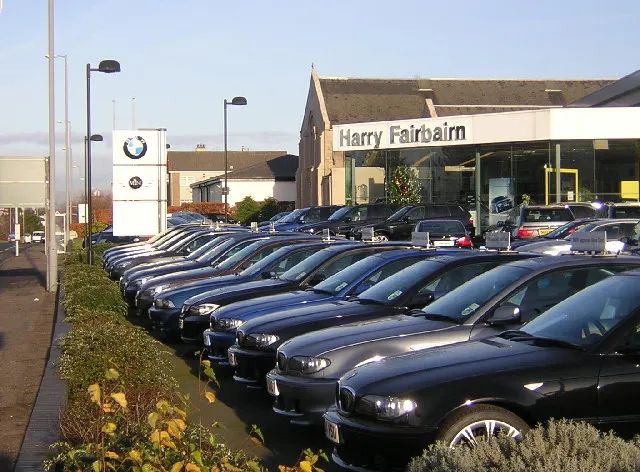
Photo: Iain Thompson, CC BY-SA 2.0, via Wikimedia Commons
There are few sights more calculated to make a used-car buyer suspicious than two nearly identical cars on two different forecourts, separated by a four-figure sum. The private one is cheaper. The dealer one has a warranty, a valet and a chap in a polo shirt who says she’s a good ’un. So is the forecourt premium just polish? Sometimes. But not always, and it’s worth knowing how to tell the difference before you decide.
The private-sale bargain is real — and so is the risk
Let’s be clear: buying privately can save you money. There’s no workshop to pay for, no warranty to administer and no salesperson to pay. A private seller can be every bit as honest as a dealer, and plenty are. The catch is what happens when something goes wrong six weeks later. Your comeback is limited, and the burden of proof lands much more heavily on you.
That doesn’t make private sales bad. It makes them a different product. You’re buying the car and the risk together, usually at a lower ticket price. The dealer’s price is partly the car, partly the risk being taken off your shoulders.
What the extra money actually buys
A proper dealer preparation isn’t a wash and a hoover. It should be workshop time: brake discs and pads if they’re worn, tyres if they’re borderline, fluids, a service, an MOT, maybe a cambelt or a clutch. The best dealers will show you the invoice. If they can’t, the premium is a vibe rather than a value.
Then there’s the warranty. A used-car warranty is not a magic blanket — it will have claim limits, exclusions and an approved repairer network. But a sensible one can cover the difference between a nasty surprise and a manageable one. Ask who administers it, what the labour rate is and what isn’t covered. Wear-and-tear items are usually out, and that’s normal.
Consumer rights matter too. Buy from a trader and the Consumer Rights Act 2015 sits behind you: a short-term right to reject within 30 days if the car is faulty, and a six-month period where the trader generally has to prove a fault wasn’t there at sale. Buy privately and those protections don’t apply in the same way. That legal backup has a value, even if it doesn’t appear on the sticker.
Part-exchange is the other big one. Selling privately can get you more money, but it also means tyre-kickers, time-wasters and strangers turning up at your house. A dealer part-exchange is usually a lower offer, but it’s done in an afternoon. Convenience has a price, and only you can decide what your weekends are worth.
Finally, aftersales. A local garage that answers the phone, knows the car and can get it on a ramp matters. If you’re in Hazel Grove and the dealer is ten minutes away, that’s not a small thing when a warning light appears on a wet Tuesday.
The polish trap
This is where buyers get caught. A fresh valet can make a tired car look loved. New number plates can hide a scruffy original. A stamped service book can be genuine, but it can also be a work of fiction. The premium is only real value if it’s documented.
Ask for the preparation invoice. Ask for the MOT history and any advisories. Ask what was replaced and why. A dealer who did the work should be happy to show it. A dealer who didn’t will usually start talking about how nice the paintwork is.
Questions to ask before you decide
- Can I see the preparation invoice and the MOT advisories?
- What warranty is included, who administers it, and what’s excluded?
- Can I take the car to my own mechanic or an independent inspection before I buy?
- What’s the part-exchange offer, and how does it compare with selling privately?
- Has the car come from auction, part-exchange or another dealer? What’s the history?
- What’s the deposit and refund policy if I change my mind?
- Who handles aftersales, and where will the car go if there’s a problem?
- Do I get two keys, the V5C and a clear explanation of the service history?
None of these questions are unreasonable. If a dealer gets shirty about them, that tells you something too.
The verdict
The forecourt premium isn’t a swear word. It’s a price for risk transfer, convenience and backup. Sometimes it’s worth every penny. Sometimes it’s a grand for a valet and a glossy photo. The difference is evidence. If the dealer can show their work and stand behind it, the extra can be money well spent. If they can’t, walk — and don’t feel bad about it.