The Spare Seat That Isn’t: Loan Cars, Hire Cars and What You’re Actually Owed
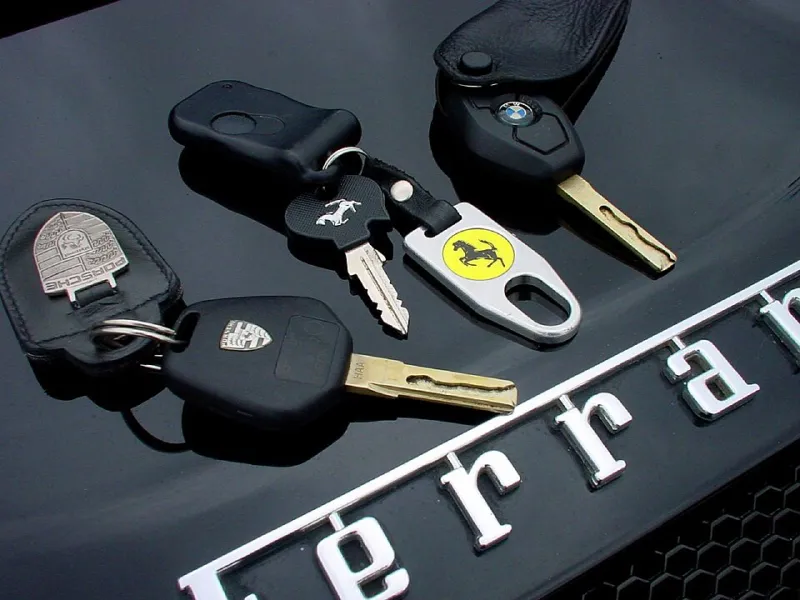
Photo: chen chin (ducktail964) from taipei, taiwan, CC BY 2.0, via Wikimedia Commons
You drop the car off on a damp Tuesday morning, keys in hand, expecting a routine service and maybe an MOT. The person behind the desk says something cheerful about a “courtesy car” and your brain quietly files it under sorted. Then the phone rings at 4pm: the car is staying overnight, a part is on order, and the spare seat you thought was waiting for you is, somehow, not. This is the moment when three very different arrangements get muddled into one friendly word.
At Hazel Grove Motors we see this confusion often enough to know it isn’t silly. It’s just that “courtesy car” has become a catch-all phrase for anything with four wheels and a borrowed air freshener. In reality, a garage’s loan car, an insurer’s courtesy car and credit hire are separate beasts with separate rules, separate costs and very separate levels of obligation. Knowing which one you’re actually being offered is the difference between a mild inconvenience and a very expensive week.
Three labels, three different things
A garage loan car is usually a bit of goodwill. A busy workshop may keep a small car for customers whose repairs run over, but it is not a legal entitlement unless it is written into the job. It might be free, it might be a tenner a day, and it might be booked solid by the time you need it. “Subject to availability” is not a sneaky phrase here; it is the whole arrangement in three words.
An insurer’s courtesy car is tied to a claim. It normally appears when your car is being repaired through your own comprehensive policy or the at-fault driver’s insurer, and it is usually supplied by an approved repairer. The catch is that it often only exists while your car is actually in that repairer’s workshop. If the garage is waiting for a part, or the repair hasn’t been authorised, the courtesy car may not be sitting there idling for you.
Credit hire is the third one, and it is the one that deserves the most respect. This is a hire car provided on the understanding that someone else — usually the at-fault insurer — will pay for it later. The daily rate can be startling, the paperwork is longer, and you may be asked to sign an agreement that leaves you on the hook if the claim doesn’t go the way everyone hoped. It is a legitimate route in the right circumstances, but it is not a free upgrade on a service booking.
The garage’s loan car: goodwill with a clipboard
A workshop loan car is generally the simplest of the three, but it still comes with a clipboard’s worth of conditions. Most places will want to see a full UK driving licence, sometimes a second proof of address, and often a check code from the DVLA so they can see your endorsements. There may be an age minimum — 21 or 25 is common — and a maximum age on some policies. You may need to leave a deposit, agree to a mileage limit, and return the car with the same fuel level you found it.
Then there is the insurance question. A garage loan car should be covered by the garage’s policy, but that cover may be third party only, or it may carry a hefty excess if you damage it. Ask directly: “If I scrape this on the wall of the Hazel Grove car park, what happens?” It is a better question than discovering the answer in a letter three weeks later.
And pre-booking matters. If your service is booked for a Thursday and you need a loan car, say so when you book. Turning up on the day and hoping is like turning up at the chippy at 9pm and hoping for a battered sausage — sometimes it works, often it doesn’t.
Insurer courtesy car: tied to the claim, not the calendar
The insurer’s courtesy car feels more official because it usually is. It tends to come through an approved repairer network, which is why your insurer may gently steer you away from your favourite local garage. That steering isn’t always sinister — approved repairers have agreed rates and processes — but it does mean the courtesy car and the repairer are a package deal. If you insist on using a different garage, the courtesy car may disappear.
The other common conditions are worth knowing before you need them. Cover is often for a small hatchback or similar, not like-for-like. You may need to be over 21 or 25. The car is usually provided only for the duration of the repair, not for the duration of the inconvenience. And there is often an excess to pay if the courtesy car is damaged or stolen. “Subject to availability” appears here too, because even insurers cannot magic a fleet out of thin air during a busy spell.
Credit hire: the bridge with a price tag
Credit hire is where calm heads matter most. It is often offered after a non-fault accident, when the other side’s insurer hasn’t yet admitted liability. The hire company provides a car and agrees to wait for payment. That sounds generous, and it can be genuinely useful. But you are usually signing an agreement that says you are responsible for the charges if the claim fails or the rate is disputed.
You also have a duty to keep the cost reasonable. If you hire a large automatic estate when a small hatchback would do, or keep it longer than necessary, the other side may argue about the bill. Credit hire is not a free pass to upgrade your fortnight. Ask what the daily rate is, who is paying, what happens if liability is disputed, and whether there is a cheaper alternative. If the answers are vague, slow down.
The small print that decides everything
Across all three arrangements, the same handful of conditions do most of the work:
- Approved repairers: the courtesy car may be tied to a specific workshop.
- Age and licence limits: young drivers and older drivers can face restrictions.
- Pre-booking: loan cars are not an infinite resource.
- Excesses: damage to the loan car may cost you, even if the repair is covered.
- Availability: “subject to availability” means exactly that.
- Mileage, fuel and return time: small charges add up.
Questions to ask before you hand over the keys
If your car might stay overnight, ask these while you are still standing at the desk:
- Is this a garage loan car, an insurer courtesy car or credit hire?
- Is it free, and if not, what is the daily rate?
- Do I need to pre-book it, and is one actually available now?
- What licence and age checks do you need?
- What is the insurance excess if I damage it?
- Is there a mileage limit or fuel rule?
- What happens if my repair takes longer than expected?
- Who pays if this is credit hire, and what do I sign?
A local plan beats a hopeful shrug
Hazel Grove is not the end of the earth, but it is not always convenient without a car. The 192 and the train from Hazel Grove station can cover a lot, and a lift from a neighbour is often cheaper than an unplanned hire car. If you know your service might run over, plan the day as though the car is staying — because sometimes it will.
The courtesy car is a useful thing, but it is not a universal right. It is a set of conditions wearing a friendly name. Ask what you are actually getting before the keys leave your hand, and the spare seat — if there is one — will be a pleasant surprise rather than a nasty one.